
Known as the cultural capital of Japan, Kyoto has it all: dazzling temples, revered shrines, centuries of fascinating history, enduring cultural traditions, and delicious food! Between high-end kaiseki, affordable snacks at food markets, cozy noodle shops, world-renowned matcha, and tasty options at convenience stores, there’s always something new to try for those lucky enough to study abroad here. If you’re wondering what to eat in Kyoto, this Kyoto food guide has something for everyone, from adventurous eaters to vegetarians and vegans.
Explore the best foods in Kyoto, Japan, and discover where students can experience the city’s unique food culture.
Visit Nishiki Market: Kyoto’s Famous Kitchen
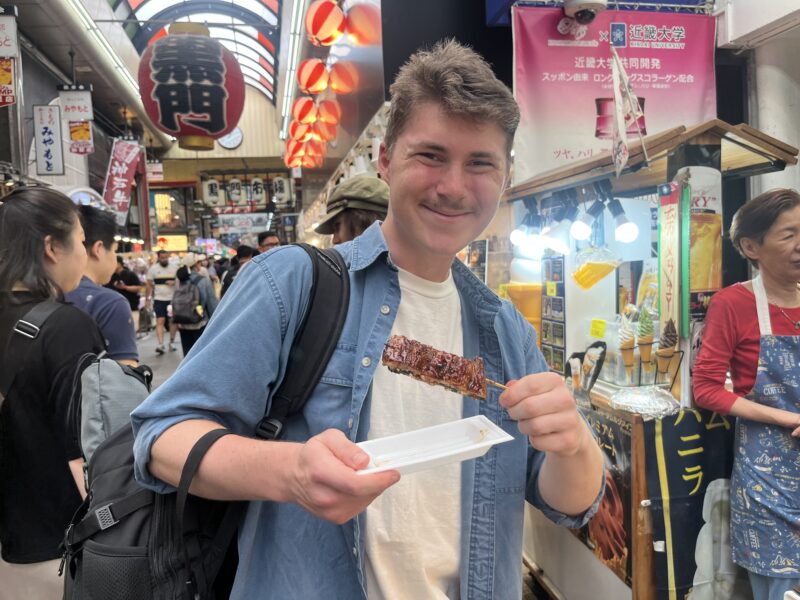
Often called “Kyoto’s Kitchen,” this 400-year-old marketplace stretches through the heart of the city and is packed with small vendors selling delectable local specialties such as sabazushi (mackerel sushi), tsukemono(pickled vegetables), mochi, grilled unagi, hot tofu, and more. Students can spend hours wandering the market while sampling local foods and learning about ingredients commonly used in Japanese cooking.
Most vendors specialize in a particular type of food, and many products are sourced locally from farms and producers throughout Kyoto prefecture. As you move from stall to stall, you’ll gain a better understanding of the traditions and techniques that have helped define Kyoto’s food culture over generations.
Try Kyoto’s Matcha and Traditional Sweets
We dare you to study abroad in Kyoto and not fall in love with matcha.
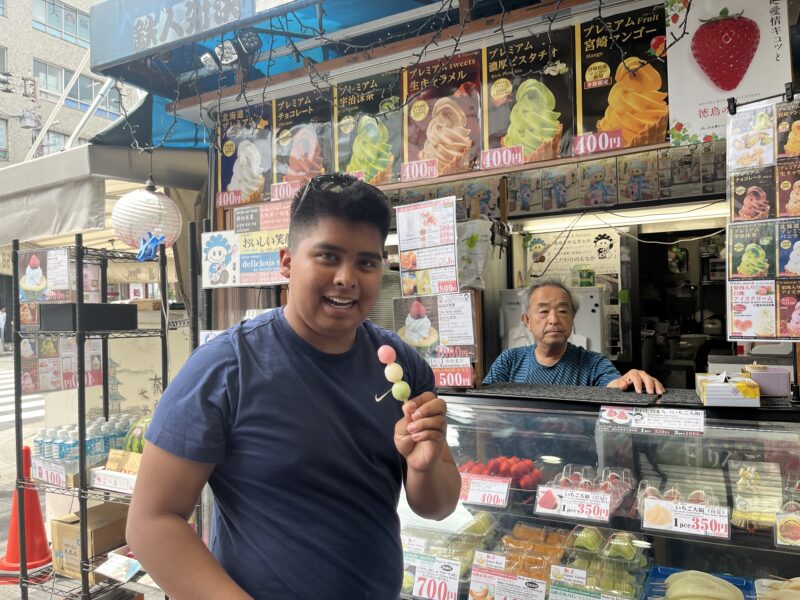
Kyoto is closely associated with this beloved tea powder, particularly the high-quality tea grown in neighboring Uji. While studying abroad in Kyoto, you’ll quickly discover matcha-flavored versions of almost everything, including ice cream, cakes, cookies, parfaits, and traditional Japanese sweets known as wagashi.
Countless tea houses in Kyoto and Uji offer tasting experiences where you can sample different varieties of matcha and learn more about the history, preparation, and cultural significance behind the tea. More casual matcha cafés also sell matcha lattes and matcha-infused desserts for those who prefer a sweeter introduction to Kyoto’s tea culture.
Whether you need a sweet treat after classes or an extra boost to get you through the day, delicious matcha (in all its forms) can be found throughout Kyoto.
Experience Kaiseki and Traditional Kyoto Cuisine
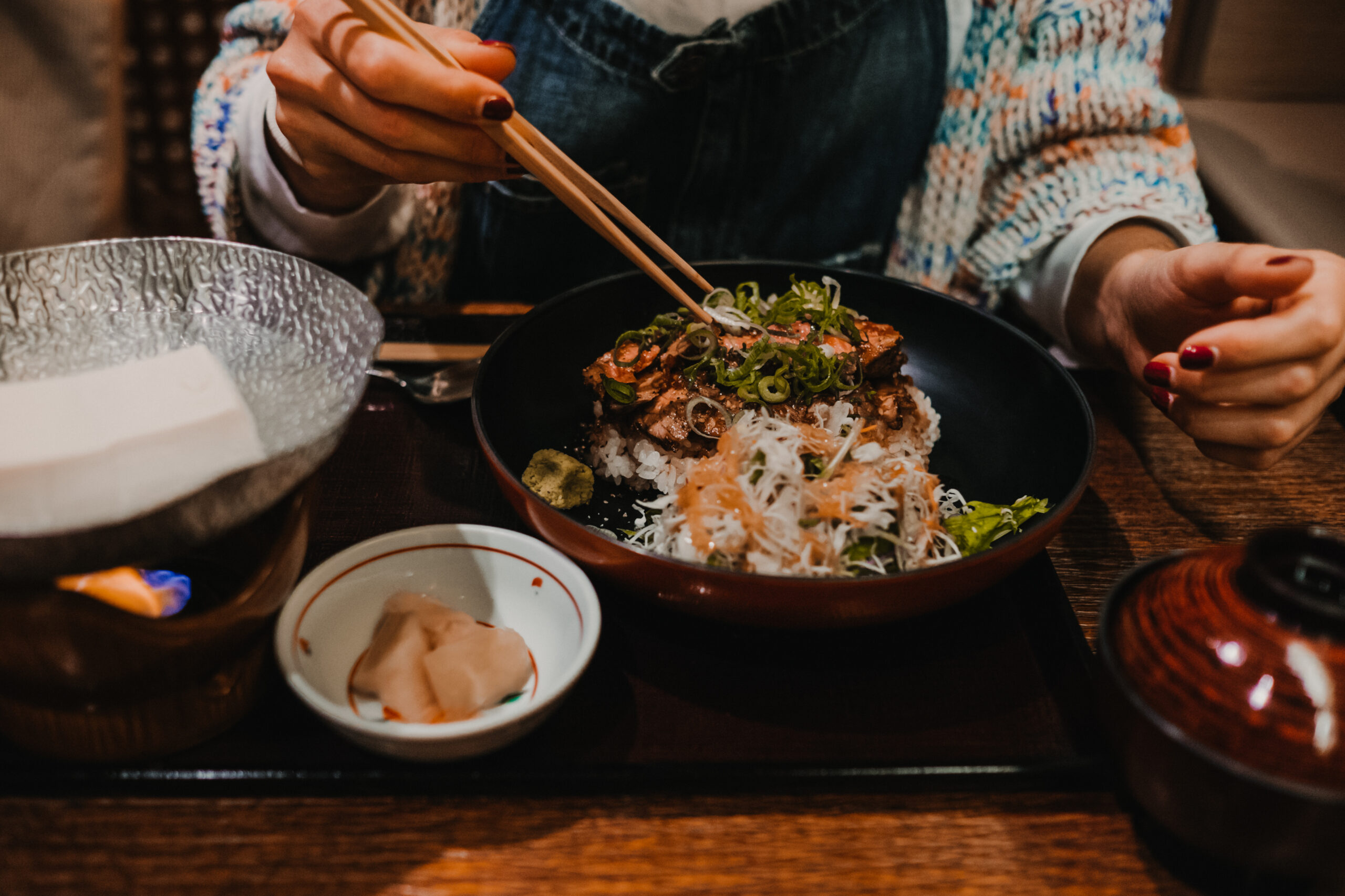
Students interested in Japanese culture should consider trying kaiseki at least once during their time abroad. This traditional multi-course meal is often regarded as one of Japan’s highest culinary arts, with each course thoughtfully arranged to create a complete dining experience. While some high-end kaiseki restaurants can be expensive, many student-friendly options offer lunch menus at much lower prices.
Kaiseki is one of five types of kyo-ryori (literally “Kyoto cuisine”), a culinary tradition shaped by the city’s history as Japan’s imperial capital. For centuries, Kyoto’s chefs prepared refined meals for emperors, nobles, aristocrats, and Buddhist clergy, placing great emphasis on seasonality, balance, and presentation. Kaiseki, in particular, was most popular among the samurai and merchant classes and was frequently served at tea ceremonies. Dishes usually include local ingredients like tofu, fresh vegetables, fish, and delicately prepared dashi broths made from seaweed and bonito flakes.
Noodles, Noodles Everywhere! Enjoy Ramen, Udon, and Soba at a Student-Friendly Price
Noodles like ramen, udon, and soba are a staple of Kyoto cuisine, and in many small neighborhood restaurants across the city, they can be found at a budget-friendly price.
Kyoto’s ramen scene is especially popular among students, with local shops serving everything from rich pork-based broths to lighter shoyu (soy sauce) varieties topped with locally grown kujo negi (green onions).
Soba and udon noodles are available across the city, often at affordable prices. Nishin soba, a Kyoto specialty, features thin buckwheat noodles in a savory Kansai-style dashi broth topped with dried herring. Thick udon noodles are frequently served similarly in a dashi broth, in a spicy curry, or with strips of fried tofu.
Whatever your noodle preferences (thin ramen, thick udon, or chewy soba), you can slurp your way to satisfaction when you study abroad in Kyoto!
Ready to experience Kyoto’s food culture for yourself?
One of the best ways to dig into Japanese culture is to sit down and enjoy the foods that have shaped the country for centuries. Spend a summer studying abroad in Kyoto sampling matcha sweets after classes, hunting for new favorite snacks at Nishiki Market, and connecting with local students over lunch. At every meal, you’ll gain a deeper appreciation for the traditions, flavors, and daily experiences that make Japan so unique.
Explore Vegetarian-Friendly and Traditional Buddhist Cuisine
Kyoto is one of Japan’s most vegetarian- and vegan-friendly cities thanks in large part to its Buddhist heritage. Shojin ryori, the traditional cuisine of Buddhist monks, focuses on seasonal vegetables, tofu, mushrooms, and other plant-based ingredients. Many temples and restaurants offer vegetarian versions of classic Kyoto dishes, giving students another way to experience the local culture.
Even students who don’t normally follow a vegetarian diet often find shojin ryori worth trying because of its emphasis on fresh ingredients and thoughtful preparation. Tofu dishes are especially popular in Kyoto, including yudofu (hot tofu), a local specialty with roots in the city’s Buddhist traditions. Kyoto’s abundance of plant-based options makes it much easier for vegetarian students to study abroad in Japan while maintaining a well-balanced diet.
Don’t Overlook Convenience Store Favorites
Every student eventually discovers the cost-effective convenience of Japan’s famous konbini (convenience stores). Unlike in the U.S., where food from convenience stores and gas stations is widely seen as low quality, in Japan, stores such as 7-Eleven, FamilyMart, and Lawson are known for offering surprisingly high-quality meals and snacks. Popular student favorites include onigiri (rice balls), egg sandwiches, noodle bowls, and fried chicken, in addition to desserts such as melon pan (sweet bun) and strawberry whipped cream sandwiches.
Many international students in Japan come to love how affordable, convenient, and delicious these options can be during a busy semester or summer study abroad program.
Learn a Few Basic Food Etiquette Tips
Trying new foods is part of the study abroad experience, but understanding local dining customs can help students remain respectful. Many of these dining etiquette rules in Japan stem from broader cultural values of mindfulness and consideration for others.
A few important food etiquette tips in Japan include:
- If you’re eating with others, say “itadakimasu” (“I gratefully receive”) before you eat and “gochisōsama deshita” (“thank you for the feast”) after finishing your meal.
- Use serving utensils when sharing food; do not pass food to others using your chopsticks.
- Loudly blowing your nose at the table, burping, and audible munching sounds are considered poor manners.
- Most sushi should be individually dipped into a small soy sauce dish (rather than pouring soy sauce over the sushi) and eaten in a single bite.
- Do not walk while eating or drinking, especially in crowded places.
Japan has several rules related to drinking etiquette. If you would not like to drink alcohol, politely decline or ask for a non-alcoholic beverage instead. If you are of age and choose to drink alcohol with others, keep these tips in mind:
- Wait until everyone has received their glass and said “kampai” (“cheers”) before you take your first sip.
- Japanese people serve one another out of small glasses while drinking, and if your glass is empty, a friend will likely fill it. If you don’t want to keep drinking, leave your glass full or mostly full, or gently cover or touch the rim of your glass with your hand and politely say “no thank you.”
Discover Kyoto’s culture one meal at a time with AIFS Abroad!
While the food in Kyoto is undeniably delicious, flavor is just the beginning. The cultural experience of eating in Japan is often what makes studying abroad in Kyoto so memorable! Whether you’re sampling verdant green matcha at a family-run tea house, tasting steaming ramen at your favorite local restaurant, or enjoying a snack at an izakaya with a new friend, food can help you connect more deeply with the city and its people.
AIFS Abroad is here to help college students (like you!) make the most of your study abroad experience. Our programs come with everything you need to go abroad with confidence, including housing, cultural and social activities, trips and excursions, comprehensive insurance, 24/7 emergency support, on-site staff, career readiness programming, and more. With AIFS Abroad, you’ll enjoy support throughout your entire experience abroad while savoring everything Kyoto has to offer.