
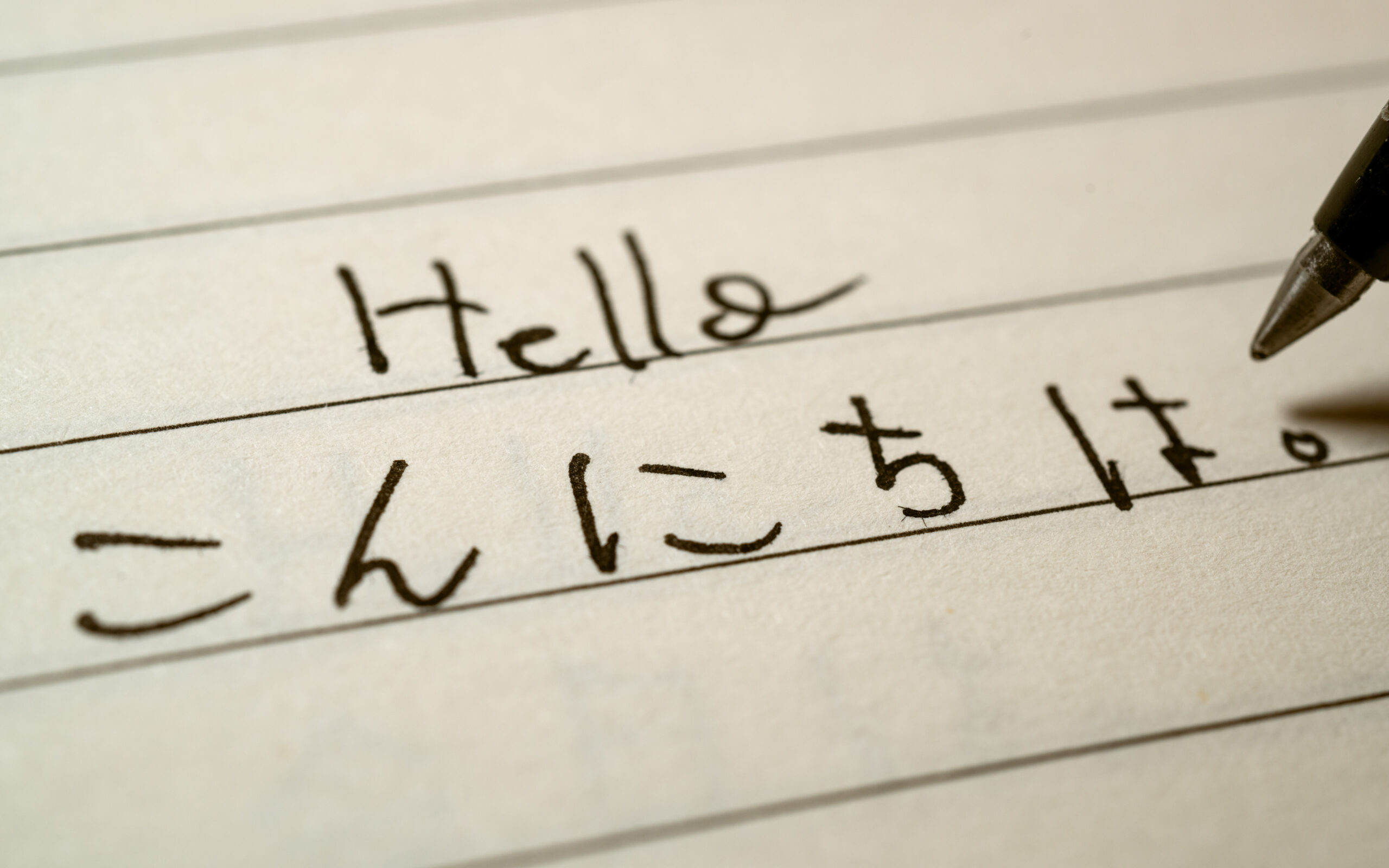
If you’re a student planning to study abroad in Japan, you may want to learn a few key phrases before you arrive. Even if you’re taking Japanese language courses and already know some basics, having a handful of useful Japanese phrases for travel and everyday life can help you navigate new situations, connect with local people, and feel more confident as you explore your host city.
And if you don’t know any Japanese phrases yet: 心配しないで! (Don’t worry!); you don’t need to be fluent to get by in Japan. A few well-placed greetings, polite expressions, and practical phrases will help you get by.
Learn these 35 everyday Japanese phrases for your study abroad program in Japan!
Pronunciation Tips
Before diving into some basic Japanese phrases for students, it helps to know that every phrase below is written in rōmaji—Japanese sounds spelled out using the Roman alphabet rather than Japanese characters, so you can read and pronounce them right away.
Japanese pronunciation is also generally very consistent. The five vowels are pronounced:
- A = “ah”
- I = “ee”
- U = “oo”
- E = “eh”
- O = “oh”
For example, arigatō gozaimasu (thank you very much) is pronounced ah-ree-gah-toe go-zai-ee-mahs (with the “u” sound typically omitted or spoken very softly at the end).
Speak clearly and remember that most people will appreciate the effort, even if your pronunciation isn’t flawless. Once you’re comfortable with these sounds, you’ll notice the same rōmaji spelling on train signs and menus all over Kyoto.
Greetings
Throughout your study abroad program in Japan, you’ll be meeting lots of new people. While Japanese people are generally very accommodating to English speakers, you can make a good first impression by knowing how to properly greet them in Japanese.
- Ohayō gozaimasu — Good morning
- Konnichiwa — Hello
- Konbanwa — Good evening
- Hajimemashite — Nice to meet you
- Watashi no namae wa_____ desu — My name is _____
- Ogenki desu ka? — How are you?
- Hai — Yes
- iie — No
Polite Phrases
Japanese culture has specific rules for etiquette that place special emphasis on courtesy and consideration for others. These polite Japanese phrases will help you communicate respectfully:
- Arigatō gozaimasu — Thank you very much
- Dōitashimashite — You’re welcome
- Sumimasen — Excuse me / I’m sorry
- Onegaishimasu — Please
- Daijōbu — It’s okay / I’m fine
- Wakarimasen — I don’t understand
You’ll probably hear the term “sumimasen” frequently. Depending on the situation, it can mean “excuse me,” “sorry,” or even “thank you.” This term is especially useful when asking a question or politely getting your server’s attention at a restaurant.
Restaurant and Café Phrases
Trying local food is one of the highlights of studying abroad in Japan. These phrases can make ordering meals and visiting cafés much easier:
- Kore o onegaishimasu — I would like this
- Osusume wa arimasuka? — What do you recommend?
- Omizu o negai shimasu — May I please have some water? (“I request water”)
- Okaikei onegaishimasu — The check, please
- Itadakimasu — I gratefully receive (said before eating)
- Gochisōsama deshita — Thank you for the meal (said after finishing a meal)
- Kanpai! — Cheers!
Transportation Phrases
If you’re traveling between classes or going on weekend trips around Japan, knowing some useful Japanese phrases for travel and transportation can save you a lot of trouble.
- _____ wa doko desu ka? — Where is _____ ?
- Kono densha wa_____ ni ikimasu ka? — Does this train go to _____ ?
- Norikae desu ka? — Do I need to transfer?
- _____ made no kippu o kudasai — A ticket to _____, please.
- Sumimasen, orimasu! — Excuse me, I’m getting off!
If you’re on a crowded train or bus, remember to say “sumimasen, orimasu” before the doors open so you have enough time to get off.
Interested in practicing your Japanese in Japan’s cultural capital?
There’s no better way to build your Japanese language skills than by using the language every day. Kyoto offers a student-friendly and safe environment for studying Japanese where you can immerse yourself in Japan’s culture while practicing the language with locals every day.
Shopping Phrases
Whether you’re shopping at a local market, picking up a quick bite at a konbini (convenience store), or browsing souvenirs to bring home for friends and family, these Japanese shopping phrases can help you navigate daily transactions with confidence:
- Ikura desu ka? — How much is it?
- Kurejittokādo wa tsukaemasu ka? — Can I use a credit card?
- _____ wa arimasuka? — Do you have _____ ?
Emergency and Help Phrases
Although Japan is a very safe country to study abroad, these Japanese phrases are worth knowing in case of an emergency:
- Tasukete kudasai — Please help me
- Byōin ni ikitai desu — I need to go to the hospital.
- Byōin wa dokodesu ka? — Where is the hospital?
- Eigo o hanasemasu ka? — Do you speak English?
- Keisatsusho wa dokodesu ka? — Where is the police station?
- Michi ni mayo imashita — I’m lost.
Put these Japanese phrases for students to good use—study abroad with AIFS Abroad in Kyoto!
Learning a few basic Japanese phrases before departure can make everyday life abroad smoother, more comfortable, and more rewarding for students. Between personal introductions, ordering food, riding the train, and asking for help, these Japanese expressions can help you feel more connected during your study abroad program in Japan.
AIFS Abroad is dedicated to helping college students like you study abroad in exciting international cities across the world (like Kyoto, Japan) with confidence. Our programs help students take that first step with the assurance that they’ll have everything they need before, during, and after their study abroad experience—including pre-departure resources and visa support, housing, cultural and social activities, guided trips and excursions, comprehensive insurance, on-site staff, 24/7 emergency assistance, career readiness programming, and so much more.
Discover how far you can go with AIFS Abroad—spend your summer discovering Japanese culture and building your Japanese language skills in student-friendly Kyoto.