
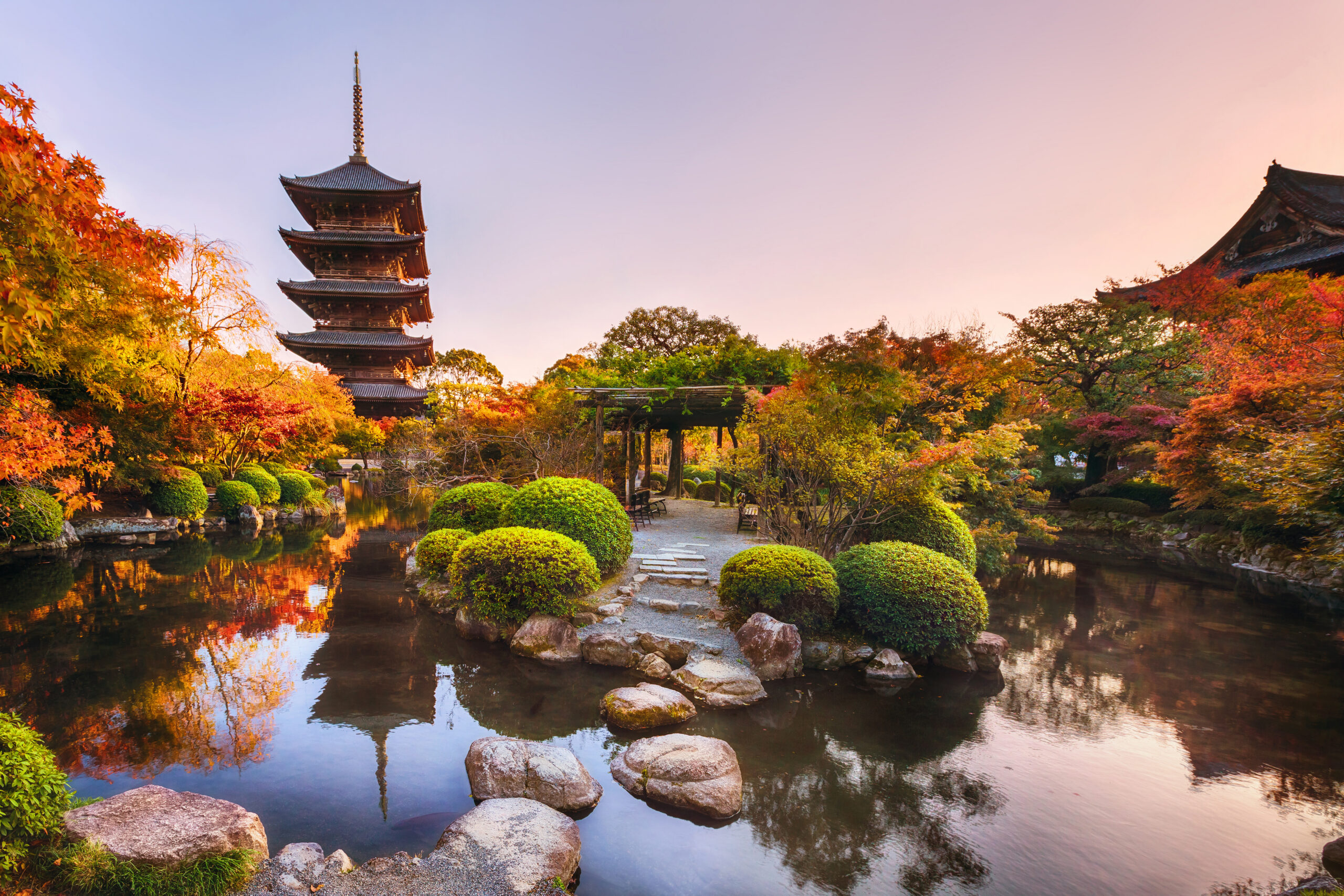
Studying abroad is a big step for many college students and their families. For some, it may be their first time traveling outside the country. So, if you’re thinking about studying abroad in Kyoto with AIFS Abroad, you may be asking yourself, “Is Kyoto safe for students?”
The short answer is YES: Kyoto, Japan, is an extremely safe place to study abroad—and AIFS Abroad makes the experience even safer with trusted on-site support, 24/7 emergency assistance, vetted housing, and comprehensive insurance.
Below, we’ll dive into the details and answer the question: how safe is Kyoto, Japan, for students?
Discover what makes Kyoto a safe city for students and what to look out for when you study abroad in Japan.
General Safety in Kyoto and Japan
Japan is consistently ranked among the safest countries in the world, and Kyoto is no exception. The city is known for its low rates of violent crime, clean neighborhoods, and welcoming atmosphere.
For students, this means it’s common to see people walking, biking, or using public transportation at all hours of the day. While petty theft can occur anywhere, incidents such as robbery and violent crime are very rare in Kyoto, especially when compared to other major cities in the U.S. and around the world.
To stay safe in Kyoto and when you travel throughout Japan, keep your valuables secure at all times, and exercise awareness in crowded tourist areas. If a situation causes you to worry about your safety, look for the nearest koban (police box), which are stationed throughout Kyoto and all major cities in Japan.
Transportation Safety
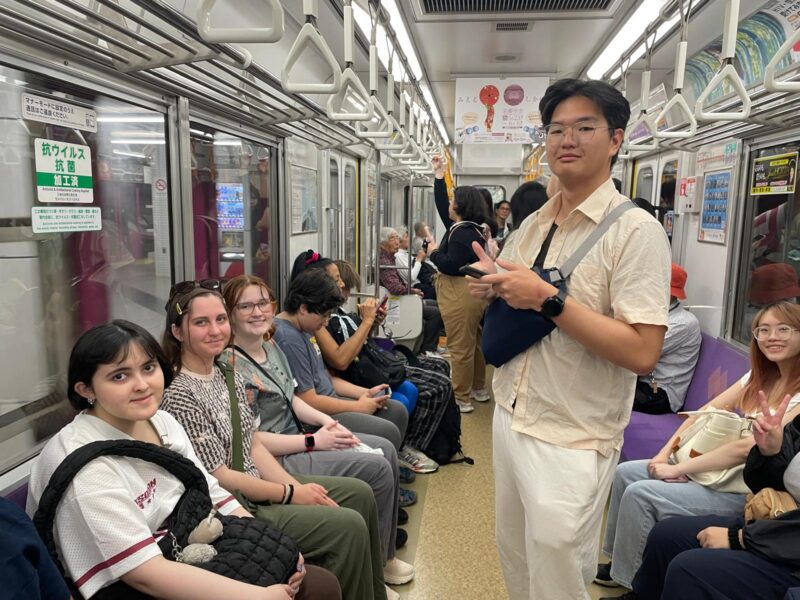
One reason many students feel comfortable living in Kyoto is the city’s trusted public transportation system. Like public transit across Japan, Kyoto’s trains, buses, and subways are clean, punctual, and widely used by residents of all ages. Japan’s public transportation network is known for its reliability, making it easy for students to travel to and from classes, housing, and weekend destinations without needing a car.
Whether you’re taking a weekend trip to Osaka on the Shinkansen (bullet train) or exploring neighborhoods around Kyoto via bus, transportation is generally safe and easy to navigate.
Interested in studying abroad in one of the world’s safest cities?
Kyoto’s safe streets, dependable transportation network, and student-friendly atmosphere make it an ideal home base for studying abroad in Japan. With AIFS Abroad, you can immerse yourself in Japanese culture while exploring Kyoto and the wider country with confidence.
Health and Emergency Basics
Although safety in Kyoto is excellent overall, it’s still important to know what to do in an emergency.
Before you go abroad, you should save Japan’s emergency phone numbers:
- Police: 110
- Fire/Ambulance: 119
- Non-emergency medical: 7119
Japan also has excellent healthcare facilities, and students who study abroad with AIFS Abroad will receive guidance on local healthcare resources and emergency procedures during their program.
In addition, all AIFS Abroad participants are covered by comprehensive travel and medical insurance through Cultural Insurance Services International (CISI) and receive access to 24/7 emergency assistance. If a medical or travel-related emergency arises, students can turn to AIFS Abroad on-site staff and CISI support services for assistance.
The most common health concerns for students in Kyoto are not usually crime-related. During a summer study abroad program, high temperatures and humidity can make hydration and sun protection especially important.
Cultural Norms That Support Safety
Part of what makes Kyoto feel so safe is Japan’s culture of mutual respect and public responsibility. People generally speak quietly on public transportation, follow rules, and show consideration for others in shared spaces. For example, lost items are frequently turned in to train stations or police boxes.
These social norms help create an environment that feels orderly, welcoming, and comfortable for newcomers.
Tourist Scams in Japan
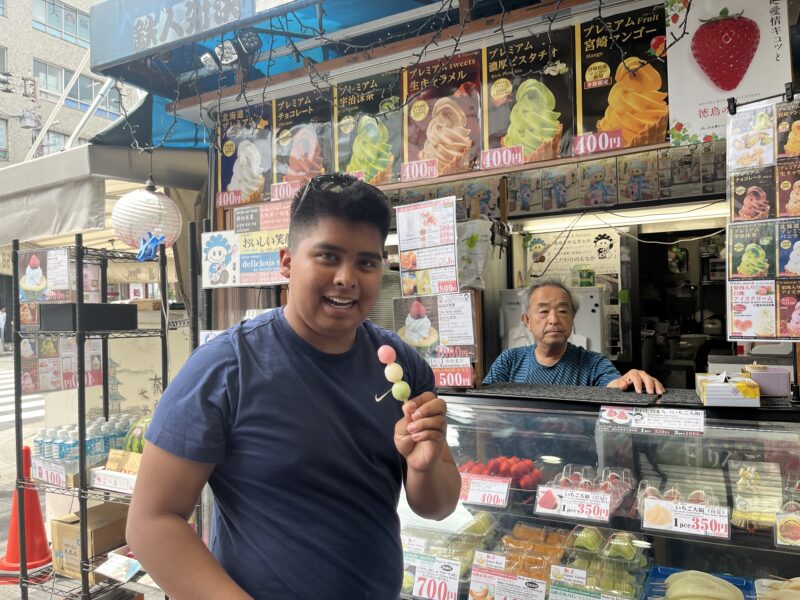
While tourist scams are relatively scarce in Kyoto, it’s always a good idea to be on the lookout for common tricks and cons when you travel in Japan or any foreign country.
Tourist scams in Japan are reported most often in highly touristy areas of Tokyo, such as Roppongi, Shibuya, and Shinjuku.
In Kyoto, most study abroad students and visitors encounter no issues. If a scam does happen, it will most likely be in a popular tourist area. For example, someone dressed as a Buddhist monk may approach you requesting a (fake) donation or charm for sale while you’re shopping (something that genuine Buddhist monks do not do). If you travel to Tokyo or another large city, it can also be useful to read up on restaurant menu or bar scams before going out.
Although these situations are rare in Kyoto, a few common-sense habits can ensure you (and your wallet) stay safe.
Common-Sense Safety Tips for Students
Even in a very safe city like Kyoto, students should follow basic precautions:
- Stay aware of your surroundings
- Keep valuables secure (especially in crowded areas)
- Follow local laws and university policies
- Save emergency contacts in your phone
- Be skeptical of anyone who approaches you in a tourist area
- Avoid following street promoters into unfamiliar bars or restaurants
- Trust your instincts if you are approached and feel uncomfortable
- Stay informed about weather alerts
- Avoid traveling through unfamiliar areas late at night (especially if you’re alone)
Whether you’re exploring new neighborhoods in Kyoto or venturing outside the city for a weekend trip, following these tips will help students stay safe during their study abroad program in Japan. Overall, Kyoto remains a very safe and welcoming city for international students.
Support Systems While Studying Abroad
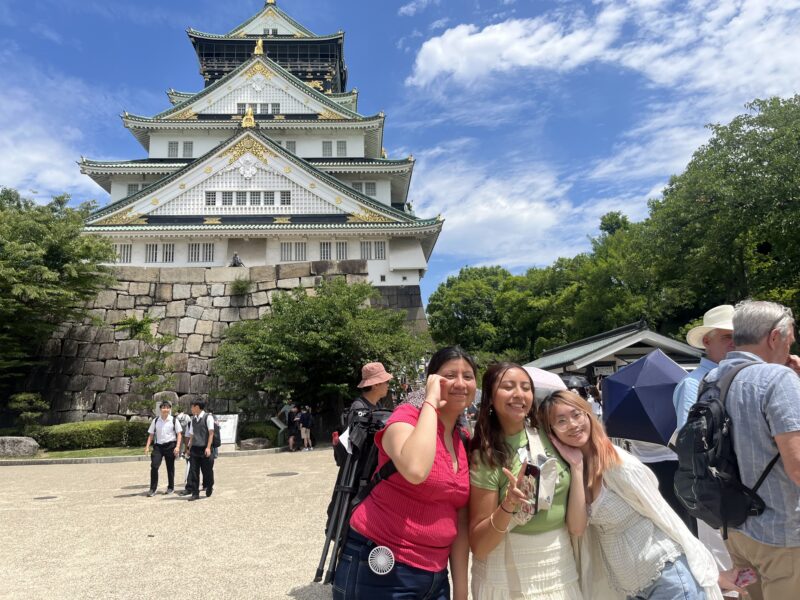
Another important aspect of study abroad safety in Japan is access to support. Students studying abroad with AIFS Abroad receive assistance before departure and throughout their program. On-site support staff are available to help students navigate local life, address concerns, access healthcare services, and connect with appropriate resources if any challenges arise.
In addition to on-site support, AIFS Abroad participants have access to 24/7 emergency assistance for medical, academic, housing, and travel-related emergencies. Travel and medical emergency support services are provided through Cultural Insurance Services International (CISI), ensuring students can quickly access help and guidance when unexpected situations occur.
Plus, the AIFS Abroad team receives daily briefings to stay informed about each program destination’s risk profile, including potential safety concerns, severe weather events, and other local developments that could impact student safety.
For parents and families, knowing there are verifiable support systems in place can provide peace of mind leading up to and during your student’s study abroad program.
FAQ: Safety in Kyoto, Japan
Is Kyoto safe for students?
Yes, Kyoto is safe for students and is widely considered one of the safest cities in Japan. With extremely low rates of crime, dependable public transportation, and a culture that emphasizes public respect and responsibility, Kyoto provides a welcoming environment where students can focus on academics, cultural immersion, and travel.
Is it safe to walk around Kyoto at night?
Yes, it is generally safe to walk around Kyoto at night. Many students feel comfortable using public transportation and walking through the city during the evening. As in any destination, it’s wise to stay aware of your surroundings, stick to well-traveled areas, and avoid unfamiliar places late at night if you’re alone.
Is it safe to travel Japan by yourself?
Yes, Japan is one of the safest countries in the world for solo travel and study abroad. Whether you’re taking a day trip to nearby cities like Osaka or Nara or traveling farther afield on a weekend trip from Kyoto, Japan’s reliable transportation network, low crime rates, and orderly public spaces make it easy to safely travel throughout the country.
What should I do in an emergency in Japan? What emergency number should I call in Japan?
If you’re in an emergency in Japan, call 110 for police assistance and 119 for fire or ambulance services. Students studying abroad with AIFS Abroad also have access to on-site support staff, 24/7 emergency assistance, and comprehensive travel and medical insurance through Cultural Insurance Services International (CISI), ensuring help is always available if you need it.
What is the biggest safety concern for students in Kyoto?
During the summer months, heat and humidity can be challenging, making hydration and sun protection important. Students should also remain aware of occasional tourist scams and pickpockets in busy areas and stay informed about weather updates during typhoon season (which runs from May to October and generally peaks in August and September).
Choose a provider with a proven track record and clear health and safety policies. Explore Japan with confidence—backed by the trusted support of AIFS Abroad.
Kyoto offers an exceptional combination of safety, culture, academic opportunity, and access to the rest of Japan. With low crime rates, reliable transportation, and a culture that emphasizes public respect and responsibility, it’s easy to see why so many international students choose Kyoto as their home away from home.
Study abroad in Kyoto with AIFS Abroad and enjoy the peace of mind that comes from having a trusted support system at every step of the journey. From pre-departure guidance and comprehensive insurance to on-site support, 24/7 emergency assistance, and vetted housing, you’ll receive everything you need to study abroad in Kyoto with confidence.
See more details regarding AIFS Abroad safety and support policies or contact a member of our team using the links below:
- On-Site Study Abroad Support: Benefits of a Program Director and Location Staff
- 12 Support Services to Compare in Study Abroad Program
- Health, Safety, & Culture
- FAQs
- Contact Us