
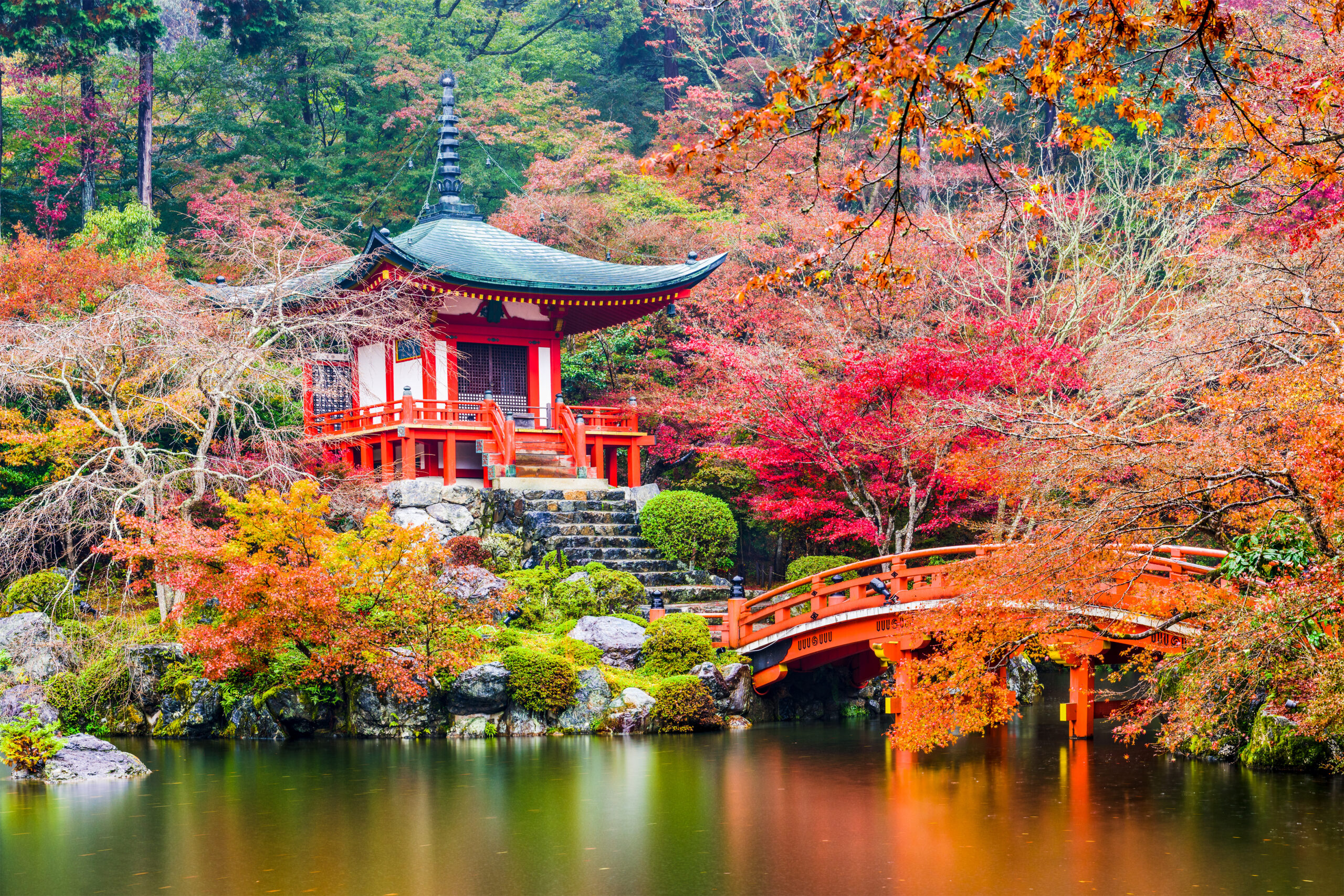
As Japan’s cultural capital, Kyoto is practically overflowing with popular tourist attractions and famous landmarks. The city is home to 17 UNESCO World Heritage sites, over 1,600 temples and 400 shrines, as well as some of the country’s most recognizable neighborhoods. Talk about a city with no shortage of things to see and do!
When you study abroad in Kyoto, you’ll have plenty of opportunities to visit all of the city’s best-known attractions. But you’ll also enjoy the unique experience of living like a local and discovering the whole spectrum of sights and daily experiences the city has to offer. You’ll have time to wander quiet streets, discover your favorite neighborhood café, spend afternoons along the river, and uncover the many hidden gems that most short-term visitors miss out on.
Below, we’ll explore some unique things to do in Kyoto that go beyond the typical tourist attractions, so you can experience a different side of Japan’s cultural capital while you study abroad.
Studying abroad in Japan’s cultural capital? Discover some non-touristy things to do in Kyoto!
Explore Local Neighborhoods
To experience a quieter side of Kyoto, venture beyond the city’s busiest tourist districts. Demachiyanagi, where the Takano and Kamo rivers meet, is a largely residential neighborhood popular with local families and university students. Stroll along the tree-lined riverbanks or browse the Demachi Masugata Shopping Arcade for a traditional market experience that’s less traveled than the famous Nishiki Market.
For an even deeper glimpse into local life, you can visit Ohara in the northern outskirts of Kyoto’s Sakyo Ward. Best known for Sanzen-in Temple, this rural enclave offers scenic gardens, shops selling local specialties such as aisu kyuri (cold, pickled cucumbers on a stick), and relaxing onsen (Japanese hot springs) that make for a peaceful day trip that you won’t find on most tourist guides.
When you study abroad in Kyoto, you may also find yourself discovering smaller residential neighborhoods near your housing or university. Over time, these local areas often become students’ favorite parts of the city—their new home away from home.
Visit Smaller Temples and Shrines
Students studying at Ritsumeikan University with AIFS Abroad will find numerous local temples and shrines scattered throughout Northern Kyoto, making it easy to stumble upon quiet corners of history during a walk between classes. The famous Ryoan-ji is just a 10-minute walk from campus, and while you may be able to escape the crowds if you go early, lesser-known temples and shrines are often worth a visit too. After all, Kyoto is home to roughly 2,000 of these sacred spaces!
Kennin-ji Temple, Kyoto’s oldest Zen temple, features elegant courtyard gardens, peaceful meditation spaces, and its famous Twin Dragons mural painted across the temple ceiling. It’s the perfect place to slow down and appreciate Zen Buddhism’s deep influence on Japanese culture, art, and architecture.
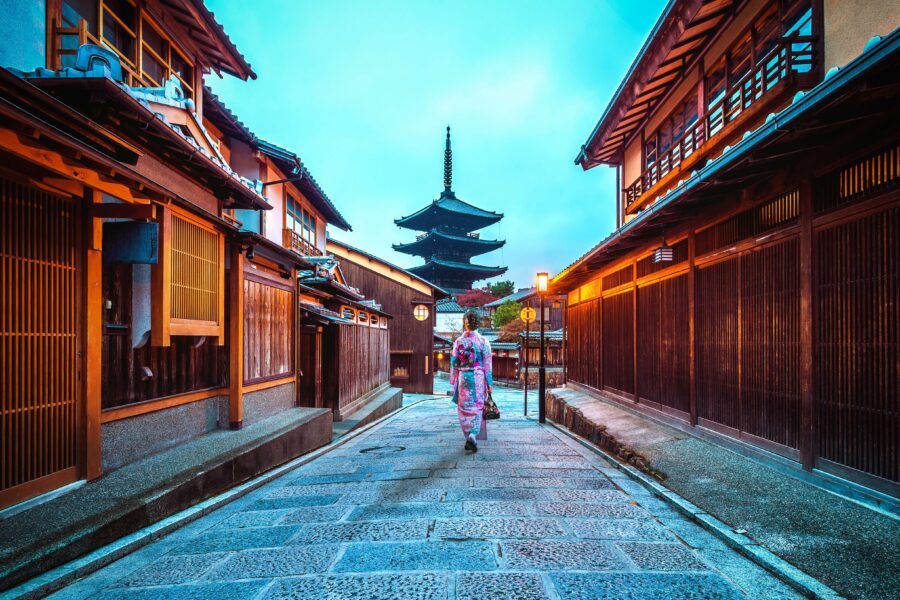
Nearby Yasaka Shrine is another excellent stop. While many visitors to the area focus on the neighboring Yasaka Pagoda (Hokan-ji Temple), Yasaka Shrine makes for a less crowded destination, and one that is especially beautiful in the evening when lanterns begin to glow throughout the grounds.
Experience Kyoto’s Traditional Crafts
Kyoto’s reputation as Japan’s cultural capital is rooted not only in its historic temples and shrines, but also in its preservation of traditional crafts. Taking time to learn more about these crafts by talking to local artisans, visiting museums, and participating in workshops is an excellent way to connect with Kyoto’s culture on a much deeper, more personal level. You may even leave with a one-of-a-kind souvenir and a new appreciation for the craftsmanship behind it.
Not far from Yasaka Shrine, the Shimokawara-cho neighborhood is lined with artisan shops showcasing ceramics, hand-dyed textiles, wooden fans, incense, jewelry, calligraphy brushes, and washi paper products. Wandering through these storefronts offers a glimpse into the creativity and skill behind Kyoto’s traditional crafts while giving you the chance to support local artisans and learn more about their materials, techniques, and creative processes.
Students interested in traditional arts can also visit the Kyoto Museum of Crafts and Design, the Nishijin Textile Center, or the Kyoto Handicraft Center. Here, you’ll find exhibitions and demonstrations covering everything from silk weaving and pottery to folding fans and Kyoto dolls. Some venues even offer workshops where you can try these techniques for yourself, allowing you to gain a unique hands-on experience you won’t soon forget!
Interested in experiencing local life in Kyoto?
AIFS Abroad’s summer study abroad program in Kyoto includes cultural and social activities led by local guides that deepen your experience and engagement with the local community. Plus, our programs give students the freedom to explore Kyoto on their own—with trusted support systems in place (should you ever need them).
Practice Zazen Meditation with a Monk
While visiting Kyoto’s temples can deepen your understanding of the city’s history and culture, participating in zazen meditation offers a more personal connection to Japan’s spiritual traditions. Several temples in and around Kyoto offer guided sessions that introduce visitors to Zen Buddhist practices in traditional, peaceful settings, including Shunko-in Temple, which is just south of Ritsumeikan University.
For many students, a meditation session can be a refreshing way to slow down, take a break from busy schedules, and experience a side of Japanese culture that values stillness and attentive inner presence. Not only is this an illuminating cultural experience, but participants may find that this practice encourages a new sense of mindfulness—one that follows them with every breath thereafter.
Eat Like a Local in Kyoto
In Kyoto, every new flavor becomes a new cultural experience! While matcha desserts and kaiseki may be what the city is best known for, there’s so much more beyond Kyoto’s most famous restaurants and trendiest cafés.
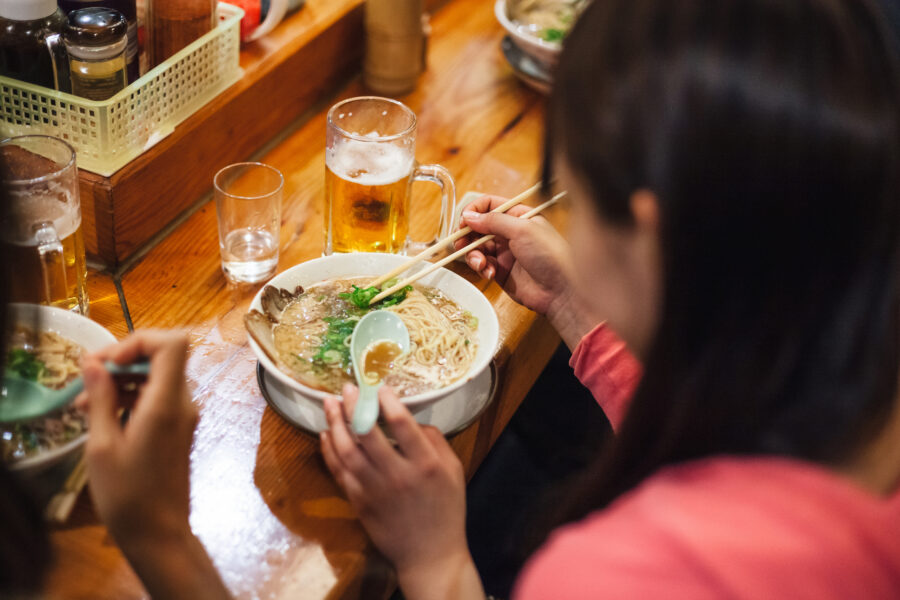
Try visiting a neighborhood izakaya, sampling regional specialties, discovering different pickle shops across the city, and exploring family-owned restaurants that you can visit again and again. Doing so will help you connect with the local community and discover the everyday food culture that passing tourists tend to miss.
To learn more about Kyoto’s food scene, read our guide on the subject: What to Eat in Kyoto.
Walk Along the Kamo River
Ask local students where they go to relax, and chances are, they will point you to the Kamo River. It’s the perfect place to unwind after class or spend a Sunday afternoon. Students often gather along the riverbanks to study, picnic, exercise, listen to music, or simply enjoy the idyllic scenery. Unlike Kyoto’s busier attractions, the banks of the Kamo River are a place where locals and students love to spend unhurried time outdoors.
If you’re up for some fun after you’ve recharged by the river, continue toward nearby Kiyamachi Street, where you’ll find restaurants, cafés, and bars that come alive in the evening.
Discover Local Cafés and Bookstores
Café culture is thriving in Kyoto. Throughout the city, you’ll find everything from modern specialty coffee shops and seasonal sweets to traditional tea houses serving hot matcha and sencha. Many students become regulars at neighborhood cafés where they can study, read, or catch up with friends after class.
Bookstores are another rewarding stop in Kyoto that short-term visitors usually skip. Whether you’re looking to find Japanese study materials, manga, travel guides, or simply a quiet place to browse, Kyoto’s bookstores offer a relaxing alternative to the city’s busier attractions.
Experience a Matcha Tea Ceremony in Uji
Located just south of Kyoto, Uji is one of the best day trips for students interested in Japanese tea culture. Known throughout Japan for producing exceptional matcha, Uji offers opportunities to learn about tea cultivation, watch traditional preparation methods, and participate in tea ceremonies yourself.
The Chazuna Museum is a particularly good place to learn more about the history of Uji tea and even participate in a workshop where you can grind, brew, and whisk your own matcha by hand! For tea lovers, it doesn’t get more hands-on than that!
While you’re in Uji, you can use it as an opportunity to explore more local sights, including Byodo-in Temple, riverside walking paths, and less-crowded neighborhoods.
Attend Seasonal Festivals and Events
One of the advantages of studying abroad in Kyoto rather than simply visiting is experiencing the city’s annual festivals and seasonal traditions.
Spring brings Hanami (cherry blossom) season, when locals and international tourists alike gather beneath blooming cherry trees to celebrate the arrival of warm weather.
But spring isn’t the only season with notable events. Students who study abroad in Kyoto during the summermay have the chance to experience several exciting festivals, including:
- Uzumasa Summer Night Festival (mid-July – late August): Held at Toei Kyoto Studio Park in Uzumasa, often called Japan’s Hollywood, this multi-week summer event transforms movie lots into a lively night market filled with traditional dancing, music, costumes, and seasonal food stalls.
- Kyoto Gozan Okuribi (August 16): This spectacular festival is marked by the lighting of giant bonfires on five mountains surrounding Kyoto, which are intended to guide ancestral spirits back to the spirit world. It’s a unique sight whose roots can be traced as far back as the 14th century, making you an active part of a living tradition you can’t see any other time of year!
- Gion Matsuri (July 1 – 31): Gion Matsuri, the festival of Yasaka Shrine, is Kyoto’s largest annual festival and takes up the entire month of July every year. Throughout the month, you’ll see massive processions featuring traditional floats known as yama and hoko—the latter are pulled on massive wheels and carry towering structures that can be over 80 feet tall and weigh up to 12 tons! During Gion Matsuri, you’ll be experiencing traditions that began more than 1,000 years ago as a way to pray for protection from disease and misfortune. Today, not only is Gion Matsuri Kyoto’s biggest festival, but many people consider it Japan’s biggest, most famous festival, too!
Tips for Respectful Exploration
Part of discovering non-touristy things to do in Kyoto is respecting the communities that make these places special. Whether you’re visiting a quiet neighborhood, a local restaurant, or a historic temple, approaching new experiences with curiosity and consideration can help you make the most of your time in the city.
Keep these tips in mind:
- Follow local rules and posted signs.
- Speak quietly in residential neighborhoods, on public transportation, and in temples and shrines.
- Dress appropriately when visiting sacred or culturally significant sites.
- Learn a few basic Japanese phrases.
- Be open to trying new experiences.
- Be mindful of local customs and Japanese etiquette.
- Approach cultural differences with curiosity, humility, and respect.
Small efforts can go a long way toward creating positive interactions with local people and deepening your appreciation for everyday life in Kyoto.
Discover all Kyoto has to offer while you live like a local—study abroad in Japan with AIFS Abroad.
While the city’s main tourist attractions are certainly worth a visit, when you study abroad in Kyoto, you’ll have the opportunity to see so much more.
Rather than rushing between famous attractions, you’ll have the chance to truly slow down and live like a local in Kyoto. You’ll build routines, engage with local communities, and discover the everyday moments that make Kyoto one of Japan’s best cities to study abroad.
With AIFS Abroad, you’ll enjoy the freedom to explore independently while benefiting from included housing, cultural activities and excursions, on-site support, and a built-in community from day one. Explore AIFS Abroad’s study abroad programs in Kyoto for an immersive experience you can’t get anywhere else.